







Search Results for: volcano pour
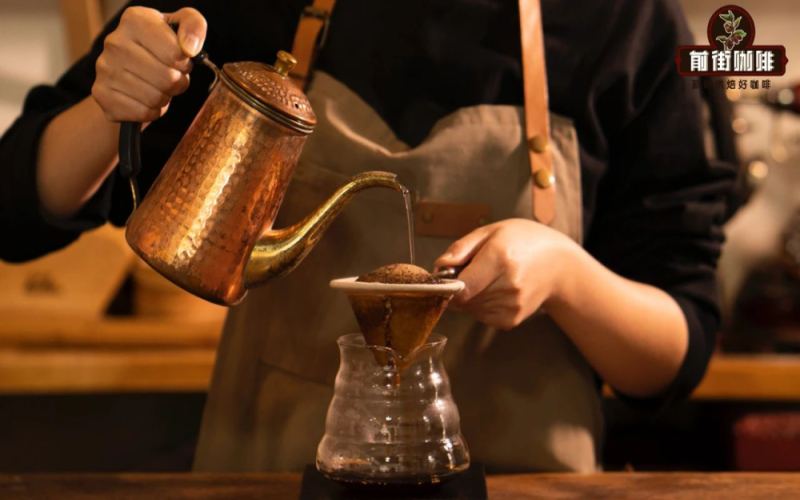
Complete Guide to Volcano Brewing: Japanese-Style Pour-Over Parameters and Sweetness Enhancement Secrets for Dark Roast Coffee Beans
Volcano pour is a highly visually striking classic technique in Japanese-style hand brewing. The coffee bed rises and falls like a volcanic eruption during pouring, and the deep-roasted coffee brewed this way has an especially abundant sweetness. Starting from the underlying logic, this article analyzes why the volcano pour can form a unique coffee-bed spectacle and why it produces such high sweetness, and provides complete brewing parameters and operating steps. It also explains the suitable bean type: deep-roasted beans with a high expansion rate and sufficient carbon dioxide, such as Front Street Sumatra·Golden Mandheling (deep roast). Finally, it includes a staged pouring scheme with a 1:12 coffee-to-water ratio, 88°C water temperature, and a Kalita trapezoidal dripper, along with dilution suggestions, to help coffee lovers recreate at home a smooth cup combining pine and spice notes, caramel sweetness, and dark chocolate aroma. [more…]
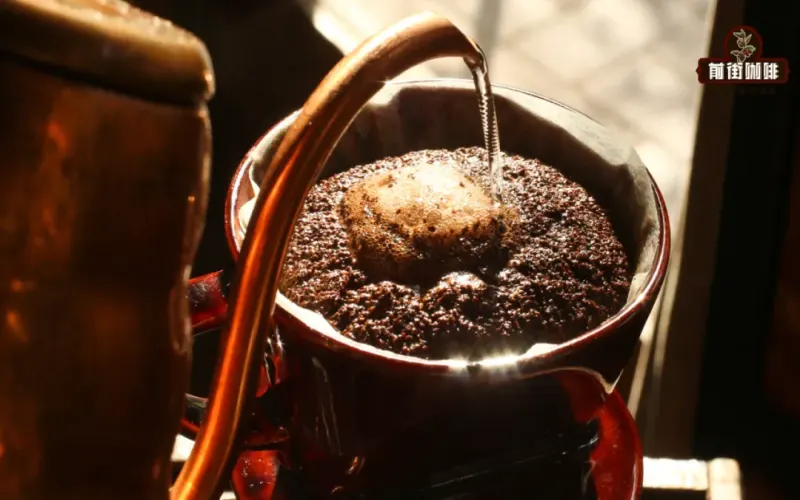
The Classic Japanese Hand-Drip Volcano Method: The Principles Behind High Sweetness in Dark Roast Coffee and Complete Step-by-Step Instructions
The volcanic pour is a highly distinctive brewing method within the Japanese hand-brewing system, named for the way the coffee bed rises and bubbles like a volcanic eruption during extraction. It is designed specifically for dark-roasted coffee, relying on a small stream of water, multiple intermittent pours of small volumes, and a high-concentration, low-extraction approach to ultimately present a cup of coffee with pronounced sweetness and a rich, smooth body. Starting from Front Street's experience shared on multiple occasions, this article provides an in-depth analysis of the underlying logic of the volcanic pour: why it can create a volcanic eruption-like spectacle, why only dark-roasted beans are up to the task, and how high concentration with low extraction avoids bitterness and improves extraction efficiency. The article also provides complete brewing parameters and a practical demonstration using Front Street's Golden Mandheling, guiding you step by step through this brewing experience that is both visual and gustatory.【图片1】【图片2】【图片3】【图片4】【图片5】【图片6】【图片7】【图片8】【图片9】【图片10】【图片11】 [more…]
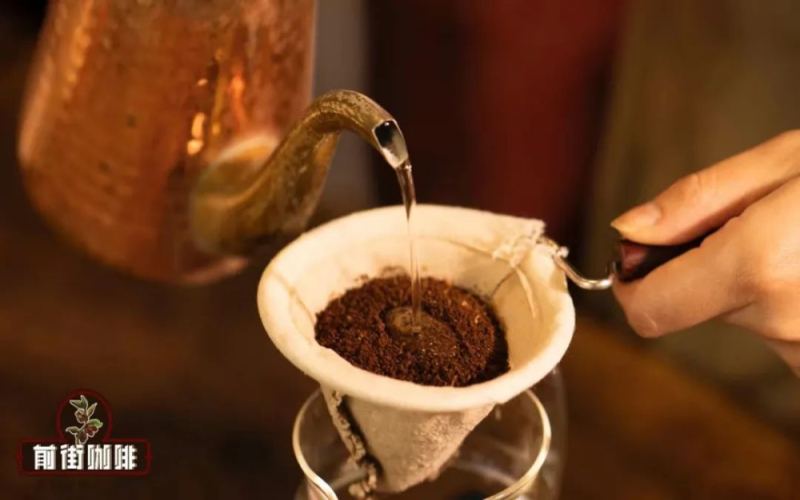
Comparison of the Three Major Japanese Dark Roast Brewing Methods: Principles and Operational Characteristics of Kono Drip, Matsuya-Style, and Volcano Brewing
Deep-roasted coffee beans are known for their rich, mellow bitterness, and the Japanese brewing tradition includes three classic methods designed specifically for such beans: the Kono drip method, the Matsuya-style brewing, and the volcano pour. Though they take different paths, their core goal is the same—to fully unlock the steady, grounded flavors of dark-roasted beans. The Kono method uses drip-style blooming to extend degassing time, the Matsuya style pursues stable extraction through ultra-high pouring and an extra-long bloom, while the volcano pour creates an erupting effect with segmented small-circle pours. All three generally use a higher coffee-to-water ratio, and some require bypass dilution. This article breaks down each method's origins, operating logic, and flavor profile one by one, and explains why these approaches are better suited to dark-roasted beans. [more…]
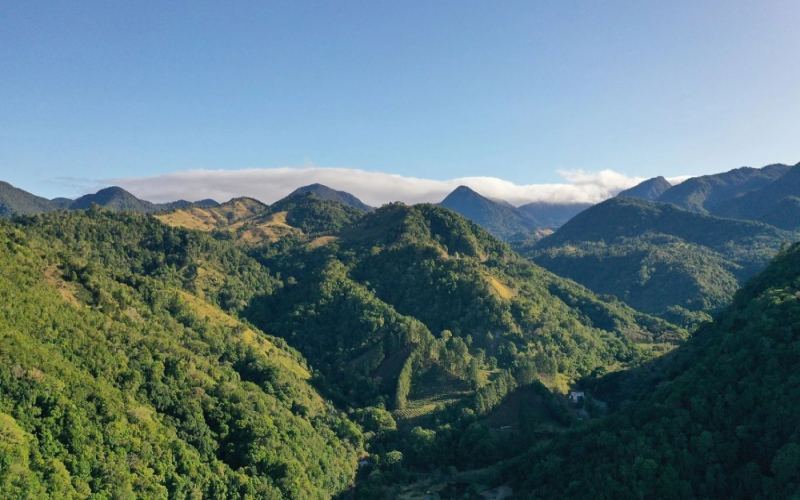
Panama's Boquete Region and Barú Volcano: The Flavor Code of Geisha Coffee and Pour-Over Techniques
Panamanian coffee is world-famous for Hacienda La Esmeralda's Geisha, and the starting point of it all is the Boquete production region in Chiriquí Province. This land at the foot of Barú Volcano, with its fertile volcanic soil, high altitude and unique microclimate, has given rise to many world-class specialty coffees. Front Street Coffee brings you a range of Boquete beans, from Esmeralda Red Label to the high-value Butterfly, and on to Elida Estate's Typica. This article will walk you through the terroir of the Boquete production region, its main coffee varieties, and how to brew a great cup with washed Butterfly and natural Elida. [more…]

An Analysis of the Japanese Volcano Pour-Over Technique: A Complete Guide from Principle to Practice
The volcano pour is a pour-over coffee technique that originated in Japan. Thanks to its distinctive spiral pouring and blooming method, it has earned a solid reputation among coffee enthusiasts. Through staged pouring and the formation of a central volcano-shaped coffee bed, it allows the coffee to extract a more balanced layering of flavors. This article will break down the steps of the volcano pour, its key points, and the typical characteristics of Japanese-style pour-over, helping you reproduce this technique at home. At the same time, Front Street Coffee, a specialty coffee brand in Dongshankou, Guangzhou, also provides practical reference and equipment suggestions for this article. [more…]

Advanced Guide to Pour-Over Coffee: A Full Analysis of the One-Pour Method, Three-Stage Method, 4-6 Method, Three-Temperature Method, Volcano Pour, and Stirring Method
The charm of pour-over coffee lies in the diversity of brewing methods. Besides the common three-stage pour, there are also single-pour, 4-6 method, three-temperature brewing, volcano pour, agitation method, and many other techniques. Each method has its own characteristics: single-pour is simple and stable, three-stage offers rich layers, the 4-6 method is formulaic in operation, three-temperature brewing highlights flavors through variable-temperature extraction, volcano pour is highly visually appealing and suitable for dark roasts, while the agitation method demands a high level of skill. This article will analyze the principles, parameters, and suitable scenarios of these brewing methods one by one, and share Front Street Coffee's practical experience, helping coffee enthusiasts understand the logic of flavor release and find a brewing approach that suits them. [more…]

A Detailed Guide to Six Pour-Over Coffee Brewing Techniques: One-Pour, Three-Stage, 4:6 Method, Variable Temperature, Volcano Pour, and Stirring Method
The charm of pour-over coffee lies in the diversity of brewing methods, as different pouring techniques bring out entirely different flavor expressions. This article systematically sorts through six common pour-over techniques—single-pour, three-stage, 4:6 method, Santuario variable-temperature brewing, volcano pour, and stirring method—analyzing each one by one from the logic of pouring, parameter ratios to flavor characteristics, and explaining their respective applicable scenarios and operational difficulties. Using specific parameters such as 15g coffee to 225ml water and 20g coffee to 300ml water as examples, the article helps readers understand the extraction principles behind each technique. At the same time, it retains Front Street Coffee's practical experience with the three-stage method and grind adjustment for coffee enthusiasts to refer to and compare. [more…]
Analysis of Panama's Boquete and Barú Volcano Regions: Geisha Coffee Bean Flavors and Front Street Coffee's Selected Bean List
After Panama's Hacienda La Esmeralda Geisha won the 2004 BOP, Panama leapt to become the focus of the specialty coffee world, and the birthplace of the Geisha legend is precisely the Boquete region of its Chiriquí Province. This land leans against the Barú Volcano, its volcanic ash soil rich in phosphorus and sulfur, paired with high altitude, cloud shade, and a pronounced day-night temperature difference, providing excellent conditions for coffee to slowly accumulate flavor. Front Street Coffee brings you several outstanding Boquete offerings, from Hacienda La Esmeralda Red Label and Green Label to Elida Estate Typica, and on to the high-value Butterfly Geisha blend, each revealing the charm of the region one by one. This article will systematically sort through Boquete and the Barú Volcano's geographical advantages, variety characteristics, processing method differences, and brewing suggestions, taking you deeper into understanding this coffee paradise. [more…]
A Detailed Guide to Six Pour-Over Coffee Brewing Methods: Flavor Comparison of One-Pour, Three-Pour, 4:6 Method, Three-Temperature, Volcano Pour, and Stirring Method
The charm of pour-over coffee lies in the diversity of brewing methods; different pouring techniques directly affect the flavor expression and mouthfeel layers of the coffee. This article systematically sorts out six common pour-over techniques: the one-pour method, the three-stage method, the 4:6 method, the three-temperature brewing method, the volcano pour, and the stirring method. From the number of pouring stages, coffee-to-water ratio, extraction time, to grind adjustment, it analyzes one by one the principles and applicable scenarios behind each method, helping coffee enthusiasts understand the release order of sour, sweet, and bitter substances, and choose the most suitable brewing strategy according to the characteristics of the beans, so as to consistently brew a good cup of coffee that suits their own taste. [more…]

A Detailed Guide to Five Classic Pour-Over Coffee Techniques: Volcano Pour, Matsuya Method, Stirring Method, and More — Steps, Pros, and Cons
Pour-over coffee may seem simple, but in fact it hides many intricacies. For those just starting out, mastering different pouring techniques can bring out completely different flavor expressions from the same bean. This article will break down five commonly used pour-over methods one by one—the volcano pour and Matsuya method from Japan, the stirring method that became popular in Europe and the United States after winning the WBC, the delicate and refined drip method, and the academy-style brewing method with excellent stability. Each method will be fully explained from operational key points, applicable scenarios, to advantages and disadvantages, helping coffee lovers find the most suitable brewing method according to their own needs and the characteristics of the beans. Whether you are pursuing a rich mouthfeel or a bright sweetness, you can gain practical reference from it. [more…]
A Full Analysis of the Volcanic History Behind Guatemalan Antigua Coffee and Specialty Pour-Over Parameters
The ancient city of Antigua Guatemala is a jewel among World Heritage sites, and its coffee industry is inextricably linked to the activity of the surrounding active volcanoes. This article begins with the historical origins of Front Street Coffee's Guatemala Antigua, traces the long entanglement between this ancient city and the Fuego volcano, and provides an in-depth analysis of how volcanic ash soil nurtures the world's finest Bourbon coffee. At the same time, the article will share Front Street's recommended pour-over parameters—coffee-to-water ratio, grind size, water temperature, and the three-stage extraction method—to help coffee lovers brew a full-flavored cup of Antigua coffee at home. [more…]
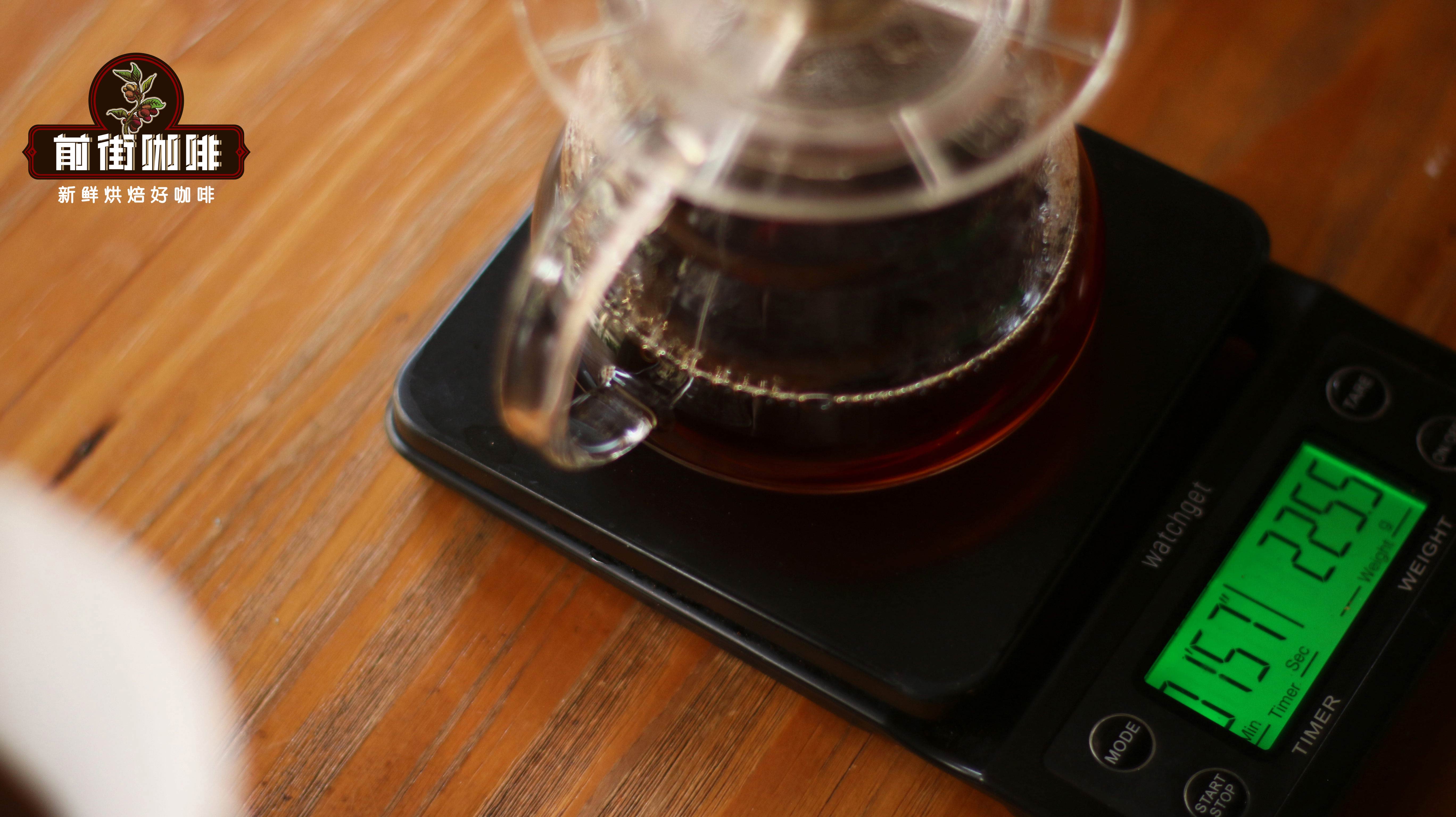
Sharing the Five Major Pour-Over Coffee Techniques | Does the Pouring Technique Affect Coffee Extraction? Flavor Comparison and Differences of Pour-Over Coffee Using the Three-Stage Volcano Pour Stirring Method
Compared to other single-origin coffees, pour-over coffee has a great many brewing methods. For example: one-pour, three-stage, volcano pour, variable-temperature brewing, stirring, and so on. Today let's get to know some of the brewing methods that commonly appear in pour-over coffee~ 1. One-pour The one-pour method and the single-pour method are still [more…]
Analysis of Six Major Pour-Over Coffee Extraction Methods: Comparing the Characteristics of One-Pour, Three-Stage, 4:6 Method, Santai Warm, Volcano Pour, and Stirring Method
The charm of pour-over coffee lies in its ever-changing brewing methods, where different techniques bring out completely different flavor expressions. This article will systematically break down six common pour-over techniques—one-pour, three-stage, 4:6 method, three-temperature brewing, volcano pour, and agitation method—analyzing each one from water-pouring logic and parameter settings to flavor direction. Whether you're a beginner just getting into pour-over or an advanced player looking for a breakthrough, you'll find a key that suits you. At the same time, Front Street Coffee will also share its most commonly used three-stage brewing experience, helping you understand the underlying principles of flavor release, so you can draw inferences and apply them flexibly. [more…]
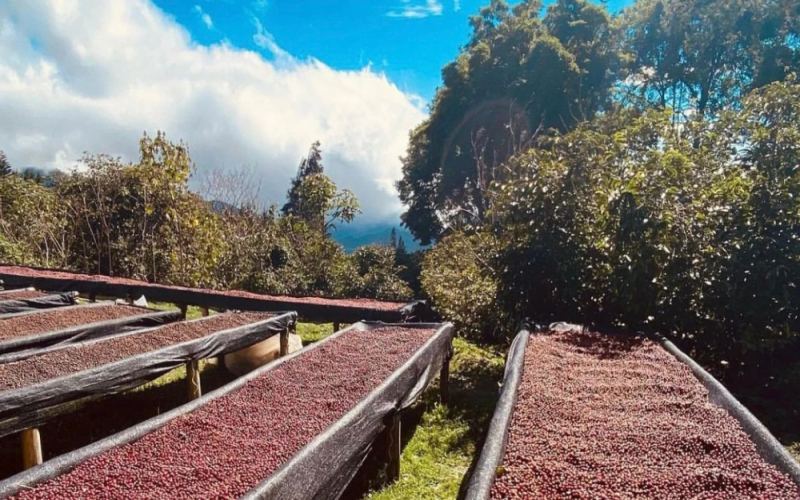
The Origin and Development of Panamanian Specialty Coffee: From the Terroir of Barú Volcano to Front Street's Butterfly
Although Panama is a small country, its unique terroir has given rise to world-famous specialty coffee. The Central Cordillera and Barú Volcano provide high altitudes and fertile soil, while the temperature difference between day and night and abundant rainfall shape the coffee's exceptional flavor. This article begins with Panama's origins and development, and recommends a great value choice—Front Street Coffee's Butterfly—a coffee blended from 70% Geisha, Caturra, and Catuai, with soft floral notes and citrus tones, making it an ideal choice for beginners. Whether brewed with a pour-over or a moka pot, it reveals a captivating aroma. [more…]
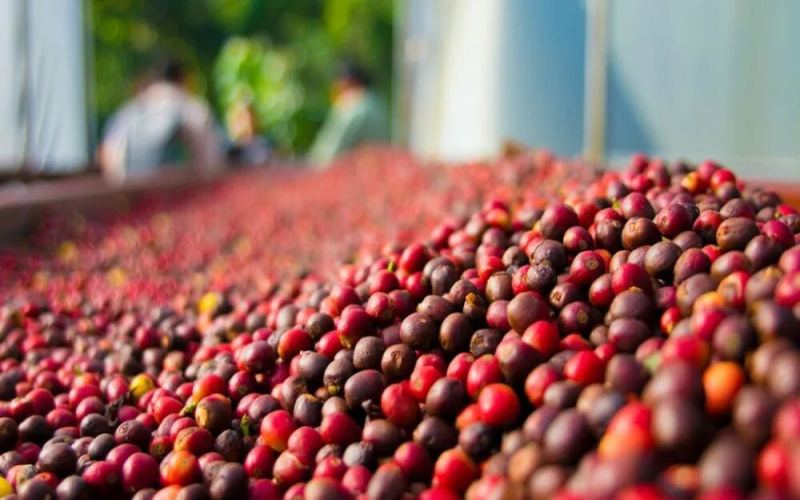
Panama Coffee Beans | Why Can Panama Become a Top Coffee-Producing Region? What Are the Growing Conditions of the Boquete Region? Which Coffee Varieties Does Panama Grow?
Panama is a Central American country, bordered by Costa Rica to the west and Colombia to the east. Friends who know something about single-origin coffee should all know that Panamanian coffee is famous in the coffee world for the Geisha from Hacienda La Esmeralda. Ever since the Geisha from Hacienda La Esmeralda won the BOP championship in 2004, Pana [more…]
La Minita Flor del Café: A Complete Guide to the Flavor and Brewing of Coffee Beans from Guatemala's Antigua Volcano Region
Among the seven countries of Central America, Guatemala's coffee has always been renowned for its rich layers and distinctive style. The Antigua region is surrounded by active volcanoes; its volcanic ash soil and pronounced day-night temperature difference endow the coffee beans with a unique smoky aroma and intense fruity notes. La Minita Group's Flor de Antigua is a representative work from this region—a blend of three classic varieties, Bourbon, Caturra, and Catuai, processed by traditional washing, presenting elegant floral aromas, soft acidity, and a chocolate finish. This article, from the perspective of Front Street Coffee, systematically reviews Flor de Antigua's regional background, variety composition, green bean characteristics, roasting curve, and pour-over brewing parameters, helping coffee enthusiasts fully understand this bean's flavor logic and extraction key points. [more…]
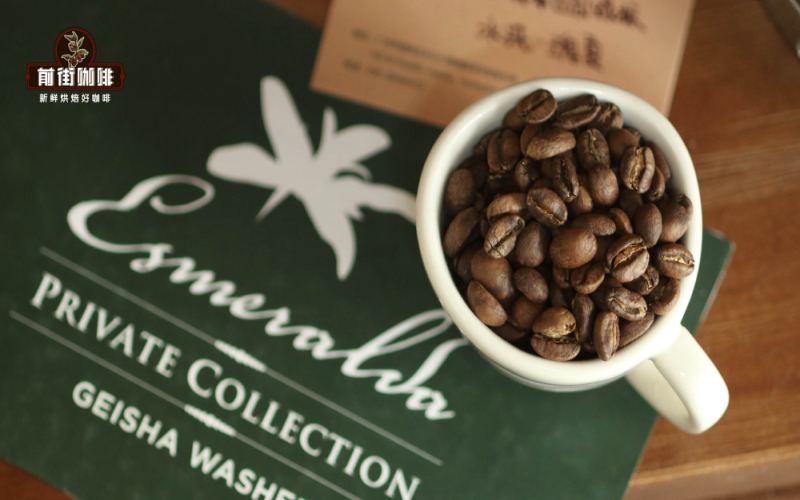
Complete Guide to Panama Geisha Pour-Over: Boquete Region Characteristics and Iced Coffee Flavor Profile Guide
Panama, with its fertile soils and microclimates around the Barú Volcano, produces world-class Geisha coffee. Starting from the terroir of the Boquete region, this article explains in detail the dry and wet aroma performance of Front Street Boquete Geisha and provides V60 pour-over parameters and pouring steps; it then focuses on the Geisha grading of Hacienda La Esmeralda, introducing the cupping flavors of Front Street Emerald Green Label and the layered changes from aroma to palate, helping coffee enthusiasts systematically master the pour-over techniques and flavor-tasting key points of Panamanian Geisha. [more…]
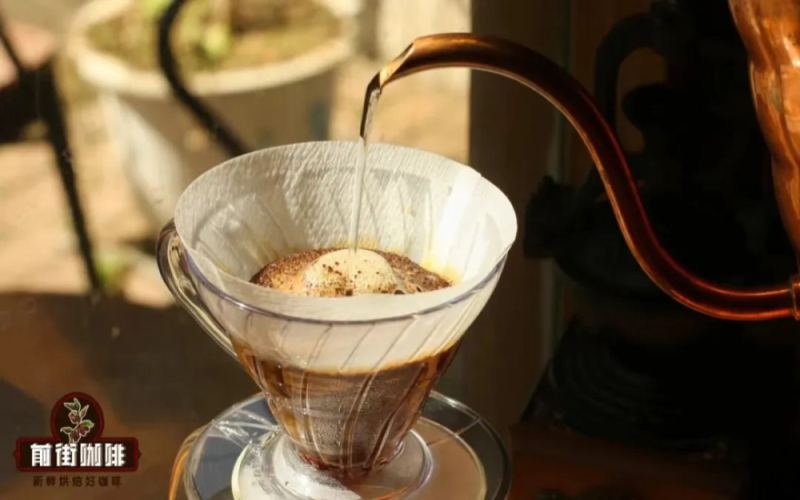
An Analysis of Seven Mainstream Pour-Over Coffee Brewing Methods: Characteristics and Differences of One-Pour, Three-Stage, 4:6, Volcano Pour, and More
In the world of pour-over coffee, different pouring techniques directly affect the interplay of key parameters such as water temperature, coffee-to-water ratio, extraction time, and grind size, thereby changing the amount of soluble substances extracted from the coffee and ultimately leading the same bean to present completely different flavor profiles. For this reason, every coffee enthusiast may choose a different brewing method based on personal taste preferences. At present, the more popular brewing schools in the pour-over field can be roughly divided into seven types. Front Street Coffee will sort through the core concepts, key operating points, and the unique expression each of these methods can give coffee one by one in this article, helping readers find the brewing logic that suits them best. [more…]
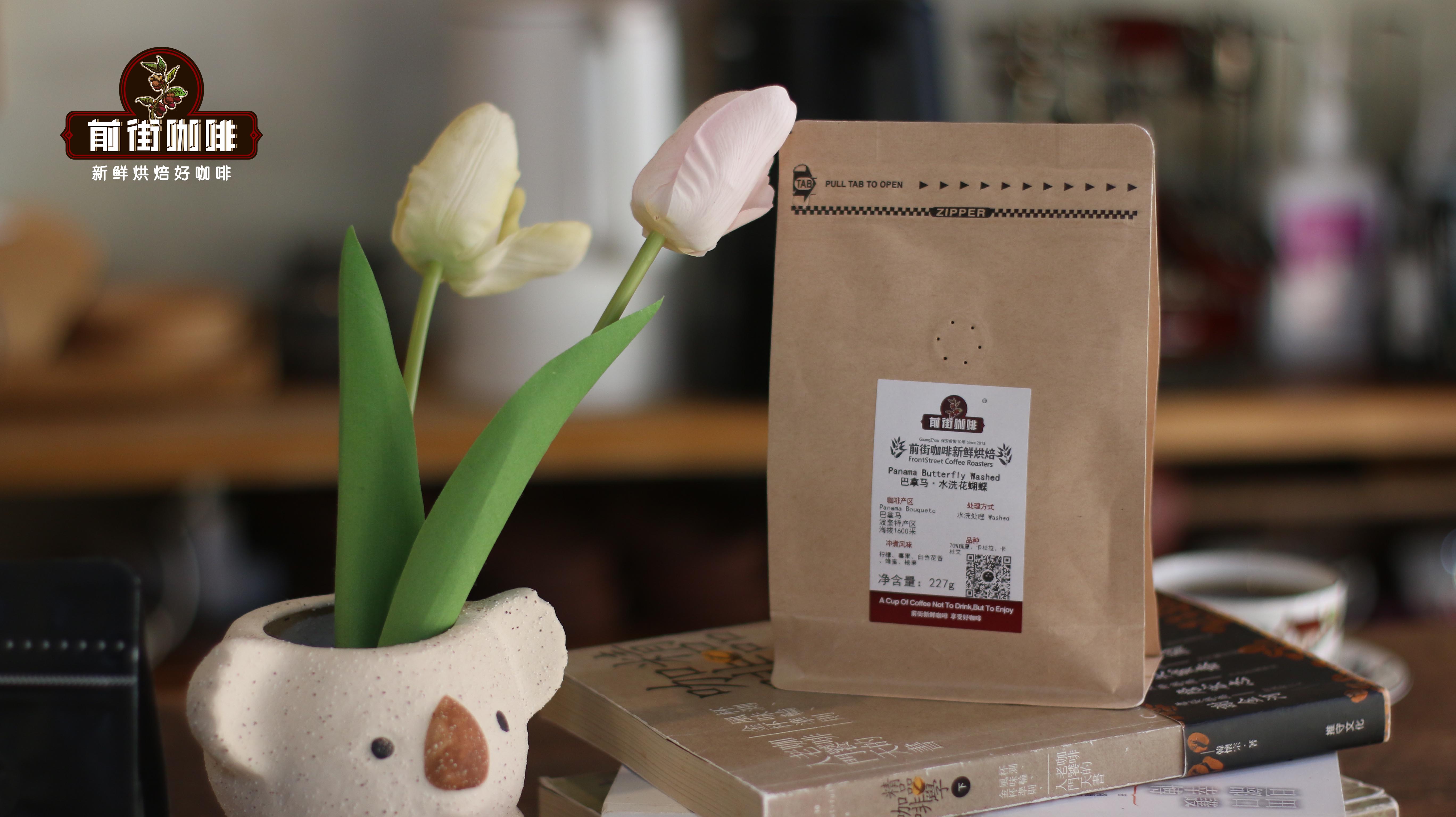
Panama Baru Volcano Region Butterfly Coffee Beans: Flavor and Pour-Over Analysis with Geisha Heritage
The Boquete region of Panama is renowned for the Geisha of Hacienda La Esmeralda, but on this fertile volcanic land there is another bean with outstanding value for money—Butterfly. It blends three varieties—Geisha, Caturra, and Catuai—with Geisha accounting for forty percent of its lineage, and after meticulous washed processing it presents a complex profile of jasmine florals, citrus, and honey. Front Street Coffee uses a medium-light roast to preserve its bright acidity and adopts a three-stage V60 pour-over extraction, allowing the layers of floral and fruity notes to be fully released. This article will guide you through Butterfly's terroir, variety composition, processing method, and brewing essentials, so you can experience the unique charm of this approachable Geisha. [more…]
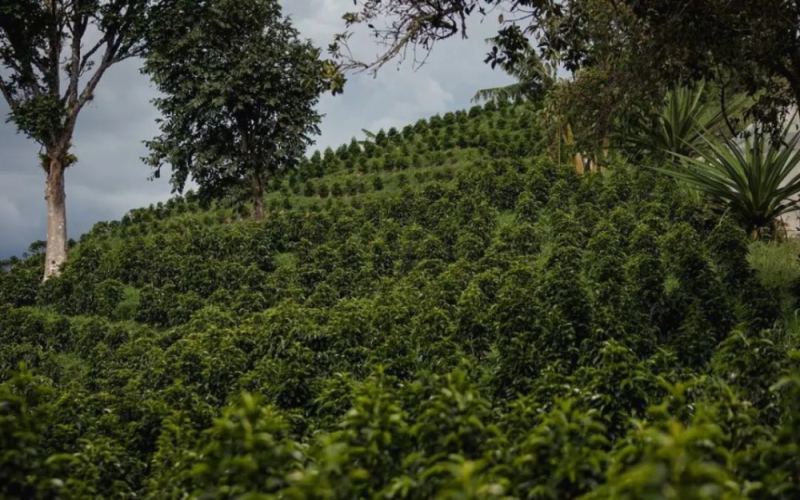
Colombia Huila Volcano Region Coffee Guide: Estate Growing Features, Caturra Variety Flavor, and Washed Processing Method Explained
Colombian coffee has long held an important place on the specialty coffee stage, thanks to its long history of cultivation and its superior terroir spanning the Andes. Among its regions, Huila has frequently appeared on various green bean competition lists since the 21st century and received official designation of origin certification in 2013. This article will examine the growing environment around the Huila volcano, the smallholder production model, the characteristics of the Caturra variety, and the washed processing workflow. It will also share how Front Street Coffee selects everyday beans and the specific approach and parameters for brewing medium-dark roasted Huila coffee with a KONO dripper, giving you a comprehensive understanding of the flavor foundation of this classic region. [more…]